
Every Leak Tells A Story

Fixtures Built for Daily Kitchen and Bathroom Use
Plumbing Fixture Replacements in Bothell for outdated faucets, inefficient toilets, and worn-out disposal systems
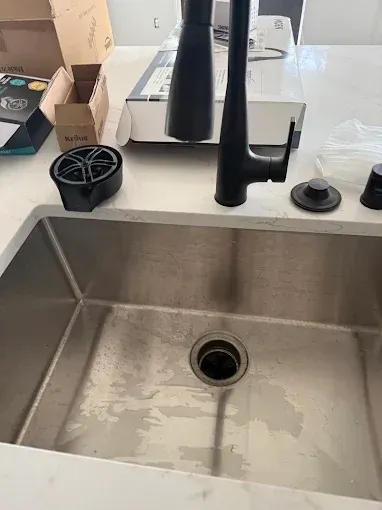
Private I Plumbing LLC installs new kitchen faucets, garbage disposals, toilets, and bathroom faucets throughout residential properties in Bothell. Fixture replacement addresses outdated models that waste water, leak at connections, or no longer match updated kitchen and bathroom design. Proper installation involves shutting off water lines, removing deteriorated supply connections, and ensuring new fixtures seat correctly against counters and mounting surfaces to prevent leaks from developing over time.
Installation work includes verifying that existing plumbing connections align with new fixture dimensions, replacing worn supply lines and shutoff valves, and testing for leaks under pressure before finishing the job. In older Bothell homes, fixtures may have corroded threads or supply lines that need replacement before the new fixture can seal properly. Kitchen faucets often require updated deck plate mounting when switching between single-hole and multi-hole configurations, while toilet installations demand proper wax ring placement and flange condition assessment to prevent future floor damage from slow leaks.
Request an on-site evaluation to identify which fixtures need replacement based on current condition and household usage patterns.
What Proper Fixture Installation Requires
Replacing a fixture involves more than swapping old for new—it requires checking that mounting surfaces are sound, supply lines are sized correctly, and shutoff valves function reliably. Kitchen garbage disposals demand electrical connections that meet code and mounting assemblies that align with sink drain openings, while bathroom faucets need supply tubes that match both fixture inlets and existing shutoff valve threads. Each fixture type has specific torque requirements and sealing methods to prevent leaks from developing after installation.
Once installation is complete, you'll notice faucets that operate smoothly without dripping, toilets that flush efficiently without running between cycles, and garbage disposals that grind waste quietly without vibration or leaking at the sink connection. New fixtures also reduce water waste—modern toilets use significantly less water per flush than models installed before the 1990s, and low-flow faucets maintain pressure while cutting consumption. Private I Plumbing LLC tests all connections under full water pressure before leaving to confirm that seals hold and fixtures perform as expected.
Fixture replacement often reveals hidden issues like corroded pipes behind walls or deteriorated shutoff valves that no longer hold a seal. These components may need attention before new fixtures can be installed safely, particularly in homes where plumbing hasn't been updated in decades. Addressing these underlying conditions during fixture replacement prevents callbacks and ensures the entire assembly functions reliably.
Questions Homeowners Ask Before Replacing Fixtures
Fixture replacement projects raise practical questions about compatibility, timing, and what the installation process involves for different fixture types.
What preparation is needed before installing a new kitchen faucet?
Existing supply lines and shutoff valves are inspected for leaks or corrosion, and the sink deck is checked to ensure it can support the new faucet's mounting configuration without requiring additional holes or deck plate modifications.
How does toilet replacement differ from faucet installation?
Toilet replacement requires removing the old unit, inspecting the floor flange for cracks or damage, replacing the wax ring, and ensuring the new toilet seats level on the floor to prevent rocking that can break the seal and cause leaks beneath the fixture.
When should garbage disposals be replaced instead of repaired?
Disposals that leak from the housing, make grinding noises even when empty, or fail to reset after tripping the breaker multiple times typically need replacement rather than repair, as internal components have worn beyond effective service life.
What affects how long fixture installation takes?
Installation time depends on whether existing shutoff valves work properly, if supply line threads are corroded, and whether mounting surfaces need repair—straightforward replacements take less time than jobs requiring valve replacement or countertop modification.
Why do faucets sometimes drip after installation?
Dripping after installation usually indicates that internal cartridge seals weren't seated correctly, supply line connections weren't tightened to the proper torque, or debris entered the valve body during installation and prevented the cartridge from closing fully.
Private I Plumbing LLC handles fixture replacement across all standard residential configurations in Bothell, ensuring installations meet manufacturer specifications and local plumbing code. Schedule a consultation to review which fixtures would benefit from replacement and what the installation process involves for your specific plumbing setup.